Email: info@jansanrakshan.com
Call Us +91 7055 154 567

Environmental Protection

Introduction

Forests are the lungs of our planet—they absorb carbon and release life-sustaining oxygen. However, deforestation poses a grave threat to their stability. Restoring forests through reforestation is a vital solution to preserving ecological balance and maintaining environmental harmony.

Plant a tree with the name of your love ones

  • We are a group of nature loving people.
  • Join us to protect our nature and animal life.
  • We will plant and care a tree for your love ones.
  • Donate and Support Us.

Donate Now

Reforestation - Reforest to Restore

Reforestation is the purposeful act of breathing life back into degraded lands and forests lost to human activity or natural disasters. It goes beyond simply planting trees — it’s about reviving ecosystems, rebuilding the lungs of our planet, and restoring balance to nature. Through reforestation, we strengthen biodiversity, rejuvenate soil health, and help the Earth recover from the impacts of climate change. Each tree planted contributes to cleaner air, richer habitats, and a more sustainable, resilient future for all living beings.

Causes of Deforestation
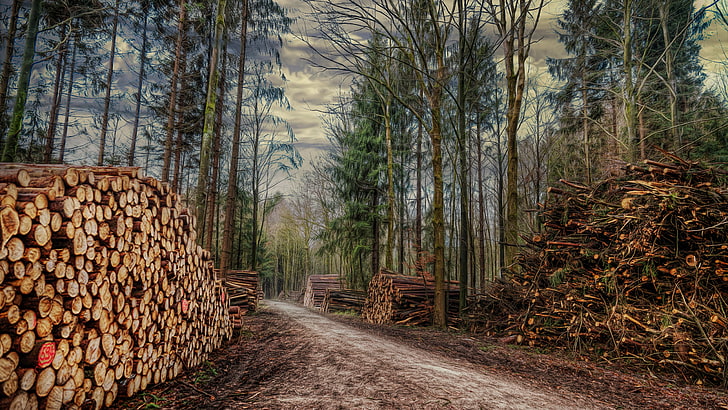
Deforestation poses a serious threat to the health of our planet. When forests are destroyed, ecosystems collapse, biodiversity declines, and the natural balance of life is disturbed. Trees, which act as nature’s guardians, regulate rainfall and maintain the water cycle — their loss leads to soil erosion, frequent floods, and scarcity of freshwater resources. Moreover, deforestation accelerates global climate change by increasing carbon dioxide levels in the atmosphere. The result is a warmer, less stable world where both nature and humanity suffer. Protecting and restoring forests is not just an environmental duty — it’s a commitment to safeguarding the future of our planet.

There are many reasons for forest destruction, including:

  • Deforestation for agriculture, plantations and development.
  • Forest fire.
  • Illegal logging and the timber industry.

Benefits of Reforestation for the Environment

Reforestation provides immediate and long-term benefits to the environment, such as:

  • Absorbs carbon dioxide and reduces greenhouse gas emissions.
  • Restoring natural habitats for flora and fauna.
  • Improve air and water quality.
  • Reducing the risk of flooding and soil erosion.

Effect of Reforestation on Biodiversity

Reforestation helps restore habitats for many species threatened with extinction due to deforestation. By restoring forests, biodiversity can be protected and endemic species can thrive again.

Species that benefit from Reforestation efforts:

  • Mammals
    Mammals: Reforestation breathes life back into the homes of countless mammals. As trees return, they restore habitats, provide shelter and food, and create migration corridors.
  • Birds
    Birds: Reforestation offers nesting sites, shelter, and abundant food sources, helping bird populations thrive again.
  • Insects
    Insects: Reforestation restores crucial habitats for pollinators, decomposers, and many other essential insect species.

Reforestation and climate change

Reforestation is one of the best ways to combat climate change. Trees absorb carbon dioxide, which is a major cause of global warming. Reforestation helps offset carbon emissions and slow global temperature rise.

Effective Reforestation Techniques

Different reforestation techniques can be used depending on the land conditions, climate and the species of trees to be planted:

  • Direct Planting: The direct planting method is a hands-on approach to restoring forests by planting seedlings or young trees directly into the soil. This method allows for careful selection of native species, ensuring faster growth and better adaptation to the environment. It provides immediate soil cover, prevents erosion, and accelerates the recovery of degraded land. Through direct planting, we actively shape the future of green landscapes—one sapling at a time.
  • Natural Greenery: The Natural Greenery Method focuses on allowing forests to regenerate naturally with minimal human interference. Instead of planting new trees, it protects existing roots, seeds, and sprouts in the soil, enabling nature to heal itself. This method preserves native biodiversity, supports wildlife habitats, and promotes stronger, more resilient ecosystems. By letting nature take the lead, the Natural Greenery Method nurtures a greener, self-sustaining future.
  • Seed Distribution: The Seed Distribution Method is an efficient and natural way to restore forests by scattering seeds directly over degraded land. This technique allows large areas to be covered quickly and encourages the growth of diverse plant species. It mimics nature’s own way of regeneration, using wind, water, or even animals to spread seeds. Simple yet powerful, this method helps revive green cover, restore habitats, and promote ecological balance with minimal human effort.

Conclusion

Afforestation is a crucial step in restoring the environment and maintaining nature's balance. By raising awareness and participating in afforestation programs, we can help preserve forests and combat climate change. Let's contribute to a greener future by supporting afforestation initiatives.

"Forest conservation is not only an environmental act but also a responsibility towards our future generations."

Copyright © All rights reserved | Designed & Developed By Jayna Technologies