JanSanrakshan is committed to serving humanity during times of crisis by providing timely relief, rehabilitation, and resilience support to disaster-affected communities. Recognizing that disasters—natural or human-made—can have devastating impacts on lives, livelihoods, and the environment, JanSanrakshan works to ensure rapid response, effective recovery, and long-term preparedness.
Its mission is to minimize suffering, restore dignity, and build resilient communities capable of withstanding future disasters through coordinated relief operations, community training, and sustainable rehabilitation efforts.
Core Strategies
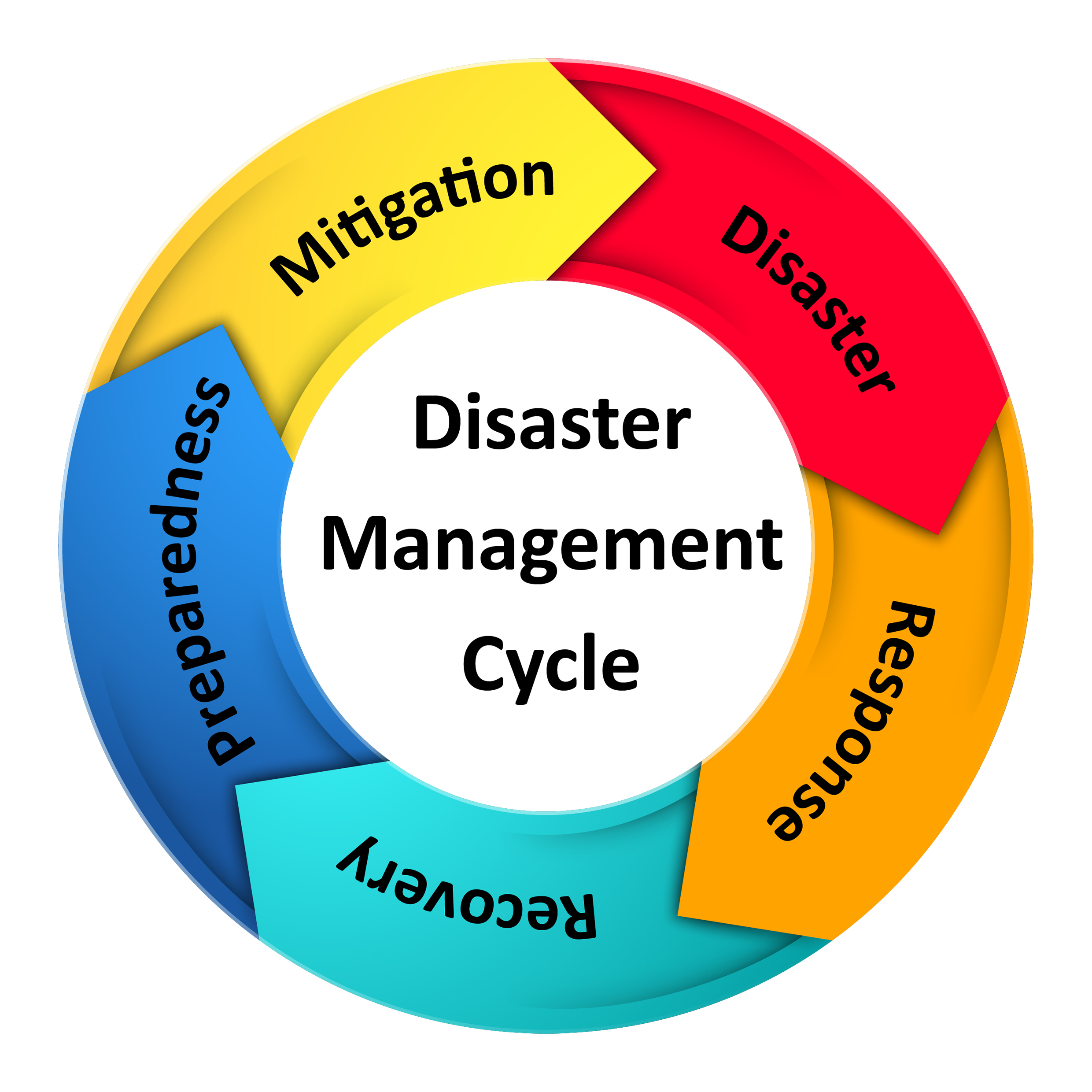
- Emergency Relief: Acting swiftly to provide essential aid—food, water, medical care, and shelter—to affected individuals and families during emergencies.
- Rehabilitation and Recovery: Supporting long-term rebuilding efforts by helping communities restore homes, infrastructure, and livelihoods after disasters.
- Pre-Disaster Preparedness: Strengthening community awareness, readiness, and resilience through training programs, drills, and educational campaigns.
- Health and Sanitation Support: Ensuring medical assistance, disease prevention, and sanitation measures to protect public health during and after crises.
- Partnerships and Coordination: Collaborating with government agencies, NGOs, and local volunteers to enhance the efficiency and reach of disaster response efforts.
Implementation
JanSanrakshan implements its disaster management initiatives through a structured approach that combines emergency action, rehabilitation support, and preventive education. Key components include:
- Conducting relief operations during floods, earthquakes, cyclones, droughts, and epidemics.
- Providing emergency food supplies, medical assistance, and temporary shelters to affected communities.
- Coordinating rehabilitation programs that help rebuild homes, schools, and infrastructure.
- Organizing community training sessions on disaster preparedness, first aid, and emergency response.
- Developing disaster awareness campaigns to promote risk reduction and safety practices.
- Collaborating with local authorities and disaster response agencies for coordinated efforts.
Challenges
Disaster management faces challenges such as unpredictable natural calamities, lack of preparedness, inadequate infrastructure, and limited community awareness. JanSanrakshan acknowledges these challenges and works to bridge gaps through early warning systems, capacity building, and community-based disaster risk management programs.
Objectives of Disaster Management
- Emergency Relief Work: To conduct relief operations during floods, earthquakes, cyclones, epidemics, and other emergencies to ensure immediate survival and safety.
- Humanitarian Assistance: To provide food, clean water, medical aid, clothing, and temporary shelter to disaster-affected individuals and families.
- Rehabilitation Support: To assist in post-disaster rehabilitation, including housing reconstruction, livelihood restoration, and psychosocial support.
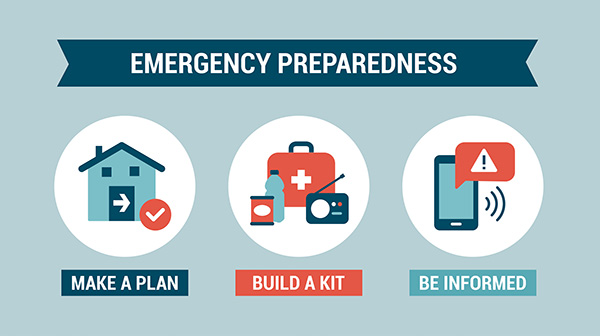
- Community Preparedness: To train communities in disaster awareness, response techniques, and risk mitigation strategies.
- Disaster Education: To include disaster management education in schools and communities, fostering a culture of safety and readiness.
- Health and Sanitation: To establish mobile health camps and promote hygiene awareness to prevent the spread of diseases after disasters.
Scope of JanSanrakshan

- Relief Operations: Mobilizing rapid response teams for disaster-hit areas to provide emergency aid and logistical support.
- Rehabilitation Projects: Implementing long-term recovery initiatives, including housing, livelihood programs, and infrastructure rebuilding.
- Training and Awareness: Organizing workshops, mock drills, and educational sessions on disaster risk reduction and climate resilience.
- Medical and Psychological Support: Offering healthcare assistance and counselling to help affected populations recover physically and emotionally.
- Collaboration and Networking: Partnering with disaster management authorities, civil defence, and volunteer networks for coordinated action.
- Sustainable Practices: Encouraging environmentally sound reconstruction and resource management to reduce future vulnerabilities.
Conclusion
JanSanrakshan ’s approach to Disaster Management is guided by compassion, preparedness, and sustainability. By focusing on both emergency response and long-term resilience, JanSanrakshan ensures that relief efforts go beyond survival—helping communities rebuild lives with strength, dignity, and hope.
Through humanitarian service, public education, and collaborative partnerships, JanSanrakshan continues to play a vital role in reducing the impact of disasters and fostering a culture of safety and resilience across society.