JanSanrakshan works for safe and sustainable development in the agricultural sector by improving the lives of farmers and encouraging modern agricultural practices through advanced technological efforts. Its core mission is to promote prosperity, resilience, and environmental responsibility in rural communities, achieved by employing several key strategies:
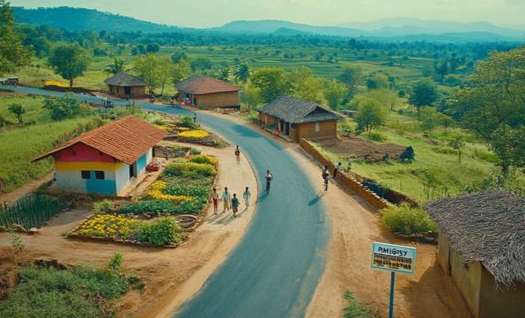
- Agricultural Education: Raising awareness and disseminating advanced farming technologies to empower farmers with knowledge and skills for sustainable agriculture.
- Farmer Support: Organizing schemes and programs to provide financial assistance, technical guidance, and social support to help farmers thrive.
- Water Conservation: Promoting efficient water use through rainwater harvesting, optimized irrigation, and sustainable water management practices to preserve this vital resource.
- Bio-agriculture: Supporting organic farming and conservation agriculture that enhance soil health, reduce chemical dependency, and maintain biodiversity.
- Productivity Enhancement: Implementing programs to boost crop yields and farming efficiency, including improved seeds, integrated pest management, and soil fertility techniques.
- Market Access: Facilitating new marketing models, rural infrastructure, and digital platforms that ensure farmers get fair and reliable access to markets.
Implementation
JanSanrakshan implements these objectives through community engagement, partnerships with research institutions, government collaboration, and extension services that provide training and support. Adoption of sustainable farming practices, technological tools, and inclusive development programs is actively promoted through demonstration projects, workshops, subsidies, and policy advocacy. Emphasis is placed on empowering marginalized groups and fostering local leadership in rural development.
Challenges
Challenges include limited awareness and education among farmers, financial constraints for adopting new technology, impacts of climate change affecting crop safety, gaps in infrastructure and policy execution, market access problems due to poor connectivity, labour-intensive nature of sustainable farming practices, and high initial costs for certain technologies. JanSanrakshan continuously works to overcome these hurdles through adaptive strategies, capacity building, and multi-stakeholder cooperation.
Objectives
The objectives of secure and sustainable development in the agricultural sector focus on comprehensive support to farmers, promotion of advanced technologies, and ensuring resource conservation for long-term productivity and welfare.
- Agricultural Education:To promote widespread education and dissemination of advanced agricultural technologies, empowering farmers with the latest knowledge and skills for sustainable farming.
- Farmer Support:Organizing schemes and programs that provide financial, technical, and social support to farmers, helping them improve livelihoods and resilience.
- Water Conservation:Developing and implementing measures such as efficient irrigation, rainwater harvesting, and water management to conserve water resources critical for agriculture.
- Bio-agriculture:Supporting organic farming and conservation agriculture practices that enhance soil health, biodiversity, and reduce chemical dependence.
Scope of JanSanrakshan
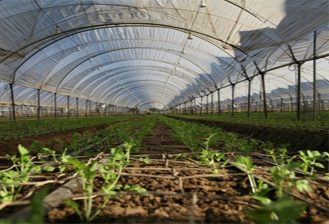
- Agricultural Research:Encouraging the development and adoption of the latest agricultural technologies and innovations through research and partnerships.
- Productivity Enhancement:Organizing programs to increase agricultural production sustainably, including improved seed varieties, pest management, and soil fertility practices.
- Market Access:Studying and promoting new marketing models and supply chain improvements to ensure farmers have reliable access to fair and profitable markets.
- Farmer Welfare:Implementing healthcare, education, and social support schemes to enhance the overall welfare and quality of life for farmers and rural communities.
Conclusion
These objectives integrate environmental stewardship with social and economic equity, embodying a holistic sustainable development approach that empowers farmers, conserves resources, and promotes agricultural productivity for future generations.
This comprehensive approach integrates productivity, environmental protection, and social welfare, ensuring agriculture contributes to sustainable rural development and food security for the future.